“We need to shift him to another hospital.” Families hear this all the time. The current hospital doesn’t have an ICU bed, or the right specialist, or the family simply wants the patient closer to home. Whatever the reason, a hospital to hospital patient transfer is its own kind of trip, and it goes much smoother with a bit of preparation.
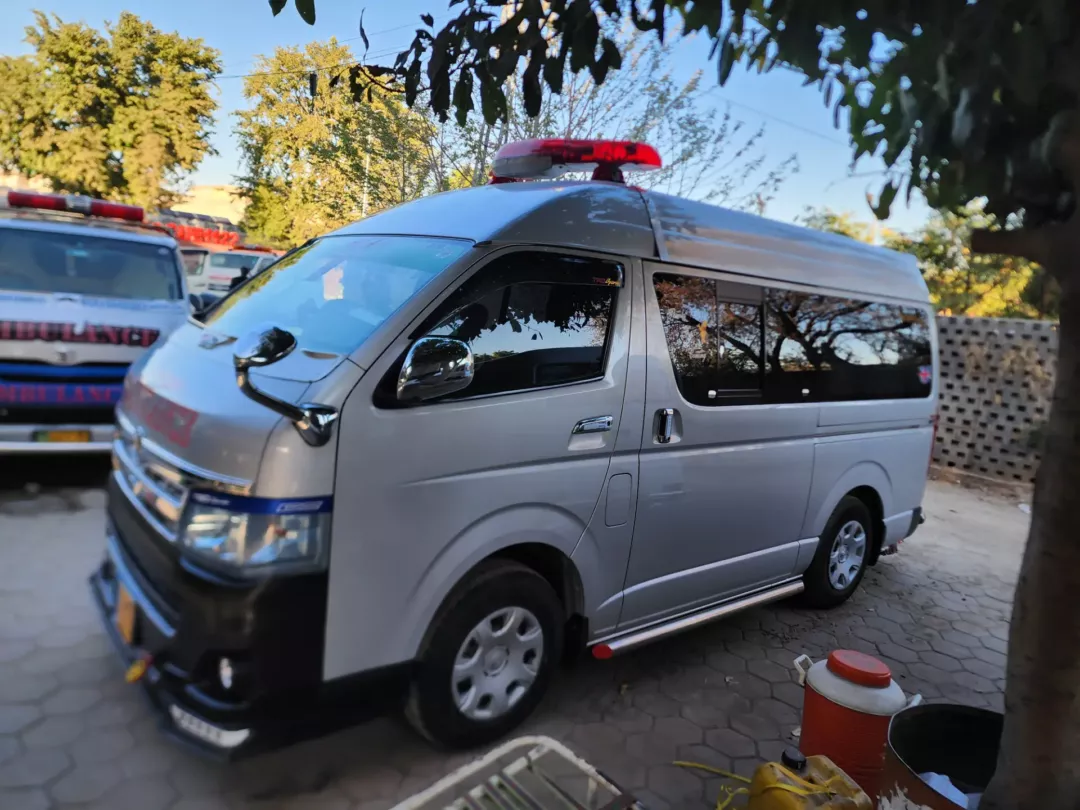
Here’s what to sort out, in the order that actually matters.
1. Get the doctor’s go-ahead
Ask the treating doctor two questions. Is the patient stable enough to travel? And what support do they need on the way, oxygen, a monitor, a ventilator? Their answer decides which ambulance you book. Don’t skip this. It’s the single most useful thing you can do.
2. Confirm the bed at the other end
This is where most transfers go wrong. A family arrives at a big hospital’s emergency gate with a sick patient and no bed arranged, and then waits. Call the receiving hospital first. Tell them the patient’s condition and that you’re coming. If it’s an ICU transfer, confirm an ICU bed specifically.
3. Collect the paperwork
Put everything in one folder:
- Discharge or referral summary
- Recent reports, scans and X-rays
- List of current medicines and doses
- Patient’s ID card
The new hospital will ask for these straight away. Having them ready saves time and repeated tests.
4. Book the right ambulance
Call us with both hospital names and the patient’s condition. A stable patient goes in a basic transfer ambulance. One who needs breathing support goes in an oxygen ambulance. A critical or ventilated patient needs an ICU or ventilator ambulance. If you’re not sure, describe the patient and we’ll match the vehicle.
5. On the day
Settle the discharge at the first hospital before the ambulance arrives if you can. Billing desks can take a while and the crew can’t leave until the patient is released. One family member can usually ride with the patient. Keep your phone on in case the receiving hospital calls.
Which ambulance for which transfer
- Stable patient moving for a specialist, a scan or a cheaper bed: a basic patient transfer ambulance.
- Patient who needs oxygen or gets breathless easily: an oxygen ambulance.
- Critical patient on a monitor, on high oxygen, or on a ventilator: an ICU or ventilator ambulance. Our guide on who needs a ventilator ambulance explains when doctors ask for one.
Still unsure? Describe the patient on the call, or read which ambulance you need.
Common transfers in the twin cities
Many of our transfers are between the big public hospitals and private hospitals. In Rawalpindi that often means Holy Family Hospital, Benazir Bhutto Hospital, the District Headquarters Hospital or the Rawalpindi Institute of Cardiology. In Islamabad, PIMS, the Federal Government Polyclinic and Shifa International come up again and again. Patients move both ways: from a crowded government ward to a private room, or from a private hospital to a public one when the stay gets long. For ventilated patients, our guides on the ventilator ambulance in Rawalpindi and the ventilator ambulance in Islamabad go into more detail.
What the crew does at each end
At the first hospital, the crew checks the patient, takes a short handover from the ward staff, and moves the patient onto our stretcher and, if needed, onto our oxygen or ventilator. They only leave once the patient is settled. On the way, they keep watching breathing and comfort. At the receiving hospital, they hand the patient and the papers over to the emergency or ICU team, and they don’t leave until the new team has taken over.
Transfers at night
Some transfers can’t wait for the morning, for example when an ICU bed opens up late at night. We run 24/7, so a night transfer is handled the same way as a day one. Our guides on the 24 hour ambulance in Rawalpindi and the 24 hour ambulance in Islamabad have tips for night calls.
After the transfer: going home
When the treatment is done, the patient often needs to go home lying down too. Our checklist on taking a patient home after hospital discharge helps you prepare the house, and for older patients our guide on the ambulance for elderly patients has more tips.
Hospital to hospital patient transfer: within the city or between cities
Most of our transfers are inside the twin cities, from one hospital to another in Islamabad or Rawalpindi, or across between the two. We also handle long-distance transfers to Lahore, Peshawar, Karachi and other cities. The longer the trip, the more the preparation above matters.
To book a hospital transfer, call 0336 291 4741 or 0345 570 4719, or message us on WhatsApp. We run 24/7.
Hospital to hospital patient transfer: questions
Can you move a patient from a government hospital to a private hospital?
Yes. We move patients between any hospitals in Rawalpindi and Islamabad, in either direction, and to other cities. Confirm the bed at the receiving hospital first.
Does the patient stay on oxygen or a ventilator during the transfer?
Yes. The crew connects the patient to our oxygen or ventilator at the bedside before moving them, so support doesn’t stop on the way.
What papers do we need for a hospital transfer?
The referral or discharge summary, recent reports and scans, the list of current medicines, and the patient’s CNIC.
Can a family member come along?
Yes. One family member can usually travel with the patient.
How do I book a hospital transfer?
Call 0336 291 4741 or 0345 570 4719, or send a WhatsApp message with both hospital names and the patient’s condition.
Doctor Ambulance is based on Murree Road and covers the twin cities around the clock. See our ambulance service in Rawalpindi and ambulance service in Islamabad pages, and for critical patients our ventilator ambulance.
Need an ambulance right now?
One call connects you to the nearest available vehicle. We dispatch immediately.